


ILOILO City – Despite decades of legal protection, persons with disabilities (PWDs) in Western Visayas remain shut out of many workplaces and public spaces because of inadequate facilities, employment discrimination, weak enforcement and persistent misconceptions about disability.

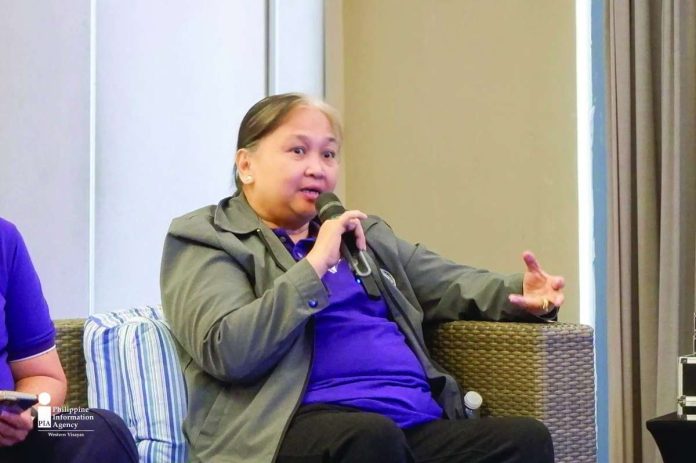
Della Leonor, regional coordinator for PWDs at the Regional Basic Sector Coordinating Council under the National Anti-Poverty Commission, said genuine inclusion remains elusive despite the Magna Carta for Disabled Persons, or Republic Act 7277.
Leonor stressed that accessibility should not be limited to ramps and comfort rooms for wheelchair users but must address the varied needs of people with physical, sensory and other disabilities.
“Most hotels do have accessible comfort rooms, and not all offer inclusive parking spaces. Accessibility should encompass more than just limited provisions for physical disabilities,” she told Panay News in an interview.
“This includes considerations for the blind, the deaf, and individuals with rare diseases that may not meet conventional definitions of disability,” she added.
Leonor said the widespread belief that PWDs are only those with visible physical limitations continues to exclude people with other forms of disability.
“We need to broaden our understanding of accessibility and recognize that it encompasses the needs of all PWDs, not just those who fit into narrow categories,” Leonor stressed.
She also urged communities to coordinate with their local government units and Persons with Disability Affairs Offices to identify and address accessibility problems.
“It’s crucial that the community recognizes the importance of accessibility. We often see non-PWDs occupying designated parking spaces, effectively blocking access for those in need,” she said.
Leonor warned that disability concerns should matter to everyone because aging, illness or injury could eventually lead anyone to acquire a disability.
“We all grow old. Mag tigulang ka, you get sick and you might develop a certain type of disability,” she said. “Dugay na ‘ni namon nga kampanya. We campaign for awareness-raising.”
Leonor said their advocacy extends to families, friends, senior citizens and community leaders whose awareness and cooperation are essential to making public spaces and services genuinely inclusive.
Aside from accessibility problems, PWDs continue to struggle to secure jobs suited to their abilities. Leonor called for better job matching instead of allowing disabilities to automatically disqualify applicants from employment.
“We must work towards proper job matching that considers the specific capabilities of individuals. For instance, some PWDs may be unable to use their legs but have strong manual dexterity or specialized knowledge in areas like research or policy-making,” Leonor explained.
Many PWDs are turning to online employment because mobility constraints prevent them from regularly traveling to conventional workplaces, she revealed.
“We are committed to engaging with local leaders to find suitable employment solutions for PWDs,” she said, noting that this concern requires close coordination among communities, employers and government agencies./PN