




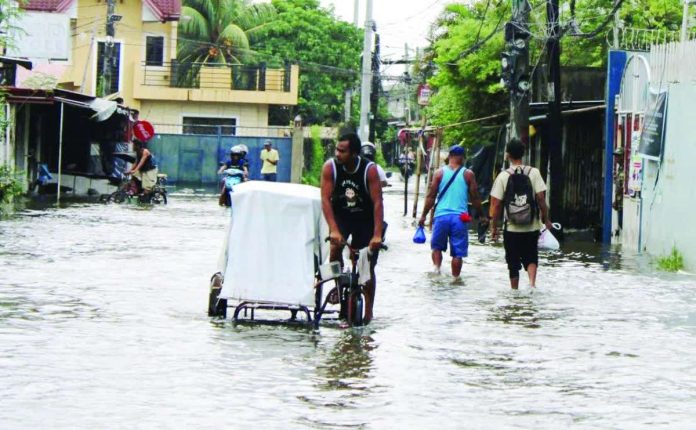
ILOILO City – More rain is in store for Western Visayas as the southwest monsoon, or habagat, continues to influence weather conditions across the region, according to the Philippine Atmospheric, Geophysical and Astronomical Services Administration (PAGASA).
In its Impact-Based Forecast No. 4 released at 3 p.m. on Tuesday, Aug. 18, PAGASA’s Visayas Regional Services Division identified Antique, Aklan, Capiz, Iloilo, Guimaras, and Negros Occidental among areas that could experience effects from monsoon-induced heavy rainfall.
These provinces were classified under the “minimal” potential impact level for Tuesday.
The likelihood of rainfall-related impacts, however, remains high for Aug. 18, based on PAGASA’s risk assessment. This is expected to drop to medium likelihood on Wednesday, Aug. 19, and Thursday, Aug. 20, before declining further to low likelihood by Friday.
Antique, Aklan, Capiz, Iloilo, and Guimaras will remain under the minimal impact category until Thursday, while Negros Occidental is included in the assessment until Wednesday.
PAGASA identified Aug. 18 and 19 as the period with the highest potential for weather-related impacts.
Among the possible consequences are interruptions to regular activities in schools, workplaces, households, and businesses.
Travel could also be affected as road and air transportation encounter weather-related disruptions, potentially resulting in longer travel times.
In the agriculture and fisheries sectors, crops and agricultural lands could sustain damage, while fishing facilities, equipment, and other infrastructure may also be affected.
The weather bureau likewise cautioned that adverse conditions could pose risks to public health and safety. Power and telecommunications services may experience interruptions in areas affected by heavy rainfall.
The continuing rains are of particular concern in communities where the ground and waterways have already absorbed days of rainfall, increasing vulnerability to flooding and rain-induced landslides.
PAGASA urged the public, particularly residents of low-lying, flood-prone and landslide-susceptible communities, to remain vigilant and closely follow official weather and disaster advisories./PN